
Legal Protection When Safety Becomes Urgent
Domestic Violence representation in Columbus for individuals facing immediate threats or responding to protection order accusations.
Heckert and Moreland represents clients in domestic violence proceedings across Columbus, including cases where immediate legal protection is needed and situations where individuals must respond to allegations filed against them. Whether you are seeking a civil protection order to stop ongoing harassment or abuse, or you have been served with protection order paperwork and need to prepare for an emergency hearing, this representation involves sensitive legal matters with urgent timelines and significant consequences for your safety, custody arrangements, and personal freedoms.Domestic violence cases in Ohio family courts often begin with emergency hearings held within days of filing, requiring rapid evidence gathering, witness coordination, and written responses filed under strict deadlines. This legal work includes preparing testimony, compiling documentation such as text messages, medical records, and police reports, and presenting your case clearly before a magistrate or judge. When protection orders are granted, they carry enforceable restrictions on contact, residence, and firearm possession, and violations can result in criminal charges, making thorough preparation critical whether you are seeking protection or defending against accusations.Contact Heckert and Moreland to discuss your domestic violence matter and review your legal options in Columbus.
Our Services
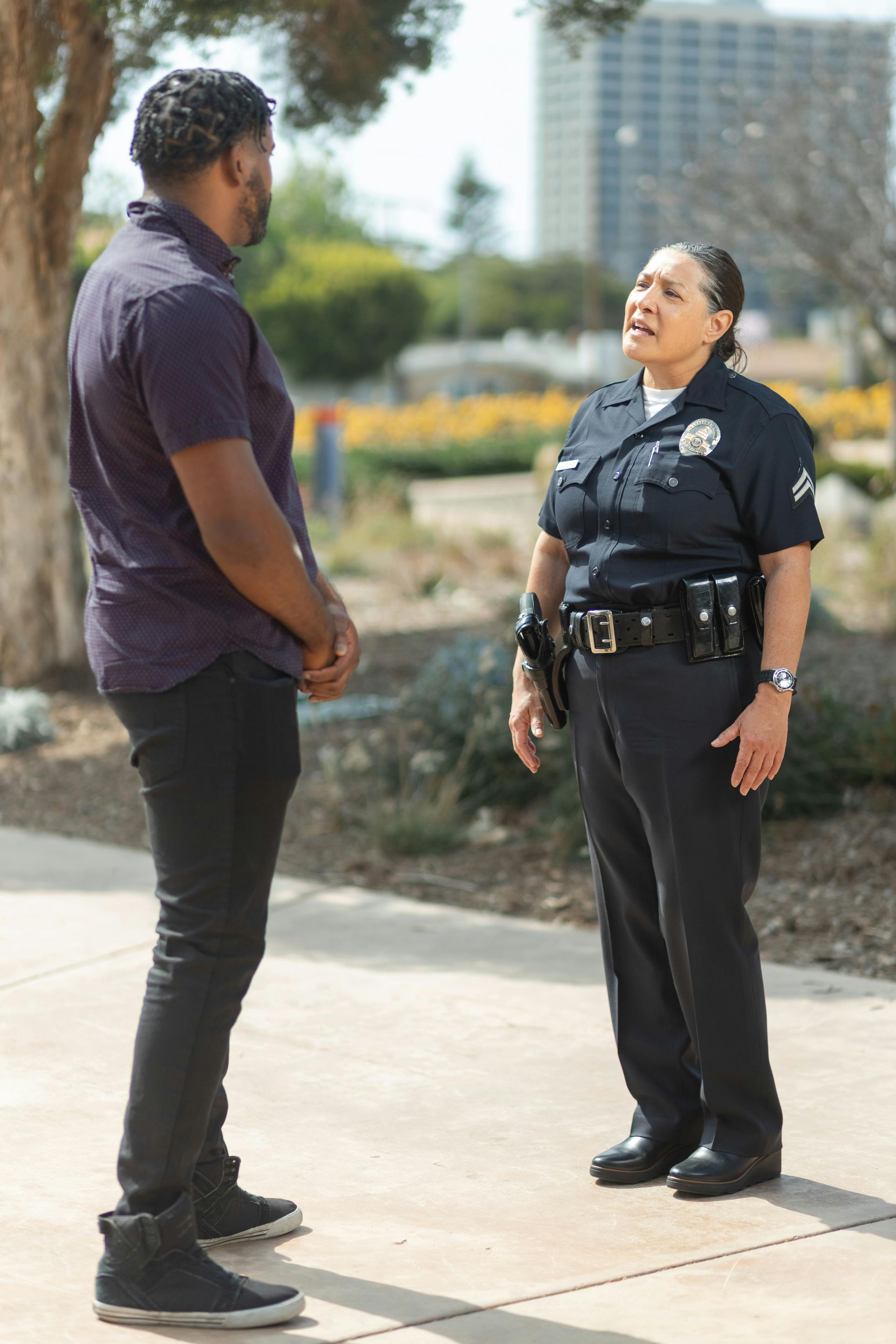
How Domestic Violence Cases Proceed in Ohio Family Courts
Your case begins with a petition filed in the county where you reside or where the abuse occurred, followed by an ex parte hearing where a temporary protection order may be issued without the respondent present. Within seven to ten days, a full hearing is scheduled where both parties can present evidence, call witnesses, and make arguments before the court decides whether to issue a final civil protection order lasting up to five years. During this process, you will review all available evidence, prepare witness statements, and respond to claims made in the petition or answer filed by the opposing party.After the hearing, you will receive a written order that either grants or denies the protection order, or in some cases, results in a consent agreement where terms are negotiated without admitting fault. If the order is granted, the protected party gains enforceable legal boundaries, while the respondent faces restrictions that can affect housing, employment, and child custody arrangements. If the order is denied, the case is dismissed, but related criminal charges or custody disputes may continue in separate proceedings.This representation also includes preparation for related criminal cases when domestic violence allegations result in charges such as assault or violating a protection order, as well as coordination with ongoing divorce or custody matters where safety concerns overlap with family law proceedings. The firm does not provide emergency shelter services or crisis counseling, but works closely with local advocacy organizations when additional support is needed.
Common Questions About Domestic Violence Legal Representation
These questions address practical concerns that arise when individuals face protection order proceedings or need legal defense in domestic violence cases.
What happens if I am served with a temporary protection order?
You must attend the full hearing scheduled within seven to ten days, and you have the right to present evidence, call witnesses, and contest the allegations before the court issues a final decision. Violating the temporary order before the hearing can result in immediate criminal charges.
How long does a civil protection order remain in effect?
A final civil protection order in Ohio can last up to five years, and the protected party may request an extension before it expires. Temporary orders issued at the ex parte hearing remain in effect only until the full hearing is held.
What evidence is most helpful in a domestic violence hearing?
Text messages, voicemails, photographs of injuries or property damage, medical records, police reports, and witness statements from individuals who observed incidents or threats are commonly used to support or defend against allegations. Courts in Columbus also consider patterns of behavior, so documentation spanning multiple incidents can be significant.
Why do some domestic violence cases also involve criminal charges?
When police respond to a domestic violence call, they may arrest one or both parties and file criminal charges such as domestic violence or assault, which proceed separately in criminal court. A civil protection order hearing in family court does not resolve the criminal case, and both proceedings can affect custody and visitation rights.
When should I contact an attorney about a protection order?
You should seek legal counsel as soon as you are served with a petition or decide to file for protection, because the time between filing and the full hearing is short and preparation requires gathering evidence, identifying witnesses, and drafting written responses. Waiting until the day before the hearing leaves little time to build a complete case.
If you are facing a protection order hearing or need legal representation related to domestic violence allegations in Columbus, contact Heckert and Moreland to review your case and discuss your legal options.